

Other Parish Estates
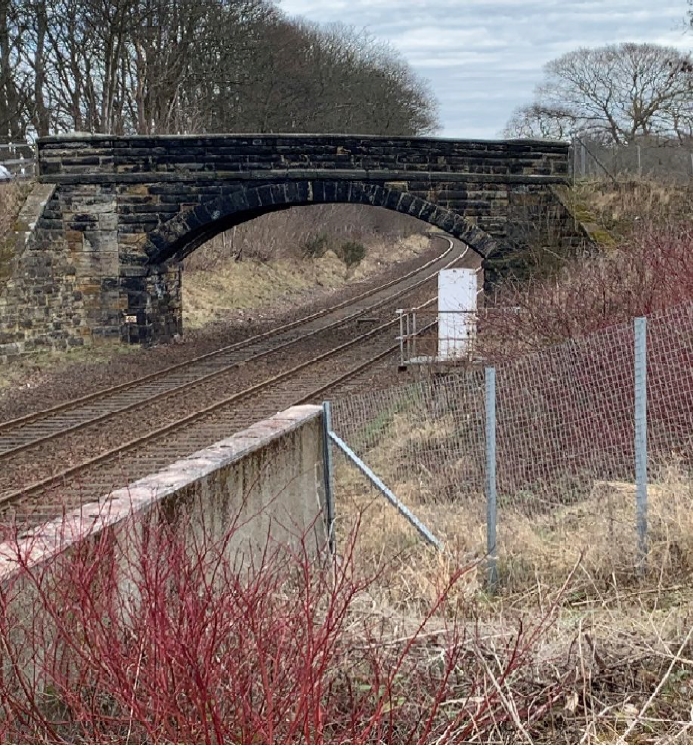
Picture1: Railway Bridge Fordell House No1
A Lost Gateway
Contributors: Heritage Trail (Brian) and Joel Martin
Picture Credits: Joel, Brian, J.C and F Inglis
Today when you look over and beyond the railway station there is a rural scenic view of fields which gently change as the seasons come and go …. But it wasn’t always like that, let’s turn the clock back and have a peek at South Lodge Farm, Bankhead Farm and Pinnell Hill from the access bridge.
As you walk over the bridge which Network Rail have named as ECN2/040 or Fordell House No1 (picture1) it’s worth taking a moment to consider that if you could look back through time this is the centre of our railway heritage.
Depending on what year you stood here, if you look to the right, you would have the Donibristle Halt and a level crossing which went over what we now know as the A921 and gave rail access to Donibristle Airfield.
If you looked behind you the at the airfield, the line connected to the East Ness Jetty which trundled towards our side of Inverkeithing Bay and who knows, you may have caught a glimpse of the military train transporting one of their seaplanes based at St David’s.
Now if you look to the left you have our current station which opened on the 27/3/98 but in front of you lay one of Scotland’s first privately built waggonways, the Fordell Railway line.
It went through many changes in its 176 years history, which we will cover in more detail in future posts but it had 3 main phases over time:
1770 – 1833 – Waggonway
1833 – 1868 – Malleable Iron Railroad
1868 – 1946 – Steel Rails and steam locos
In this 1843 map (Pic 2) we can see the Fordell Railway line in the centre of the picture, it didn’t always come straight over the ridge, it used to approach from a more westerly route past the ‘old quarry’. The Fordell Waggonway was critical to the Henderson’s mining business. It transported the coal from the family mines in the north of the parish including ‘Alice’, ‘George’, ‘William’, ‘Lady Anne’ and others down to St David’s harbour and from around 1851 also the fireclay for the Fordell Brick and Tiles Works.

Picture 2: Map showing lower layout of the line
Again, looking to the right, you can see Pinnell Hill which had a connection to one of our worst times in our history where we persecuted women during the times of the ‘witches’ trials. Jonathan Ellington wrote about this on his Heritage Trail article on the 10th of December, ‘WITCHES in the Bay’.
You can also see the Fordell South Lodge Farm which has private access across the other bridge (ECN2/042 Fordell House). This farm has a fine monument that has stood the test of time, a ‘standing stane’ (pic 3).
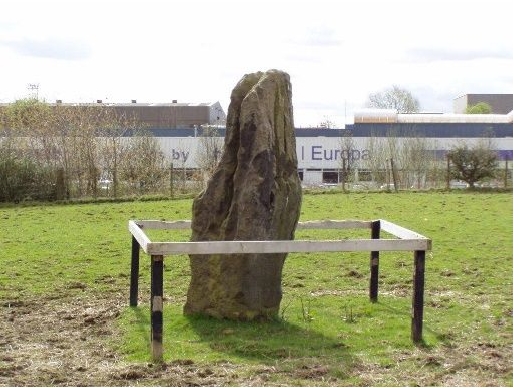
Pic 3
It is sometimes referred to as the Fordell Standing Stone or the Pinnell Standing Stone. It is a large block of sandstone which stands seven foot tall and approx. three foot wide. Please note this is private land and you can’t access without permission but you can get a clear view if you walk further up the pavement.
Standing stones are prevalent in Scotland and we have a fair few in Fife. There is a mystery about them with many debates on what they stand for, are they for religion or ancient beliefs? They were certainly ceremonial and many of the monuments were placed up to 10,000 years ago and, quite rightly, attract visitors and tourists to the sites.
Coming back to the centre sight line, and in picture (2) there are 2 quarries marked, the one to the left as ‘Old Quarry’ which is believed to have been called Parkhall and on the right you can see ‘Millstonemeadow Quarry’
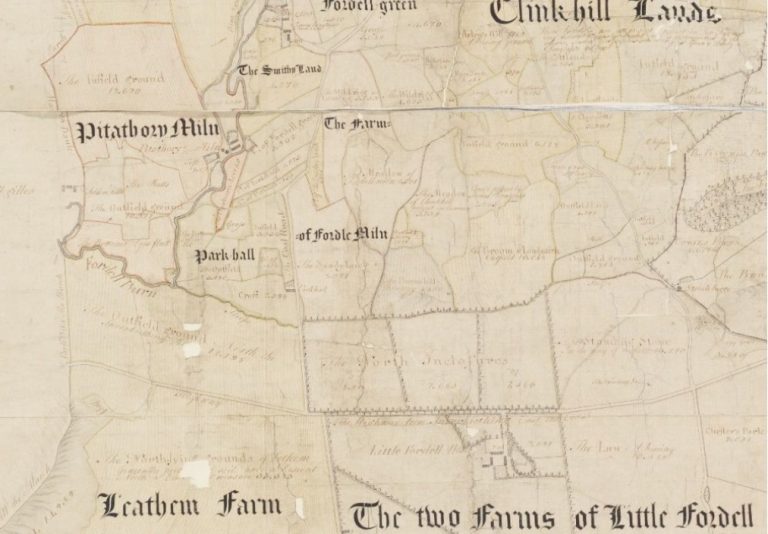
Picture 4: Extract of The Henderson Estate Plan Credit National libraries of Scotland
If you zoom into (picture 4), which is part of an older Henderson Estate map, you will see that the ‘Millstonemeadow Quarry’ is in an area where the local fields were called ‘The Meadow of Fordell Miln’ and the ‘Meadow of Clinkhill’ so it’s not surprising to see the ’meadow’ name carrying through to the Quarry and possibly influenced the naming of the street, ‘Meadowfield’ in the Bay today.
Depicted on Picture 2, the ‘Millstonemeadow Quarry had a joining tramway to the railway to allow the stone to be transported via the Fordell line but the quarry has another link to our heritage as the stone to build Fordell House 300 years ago in 1721 was sourced from here and drawn up to the building site.
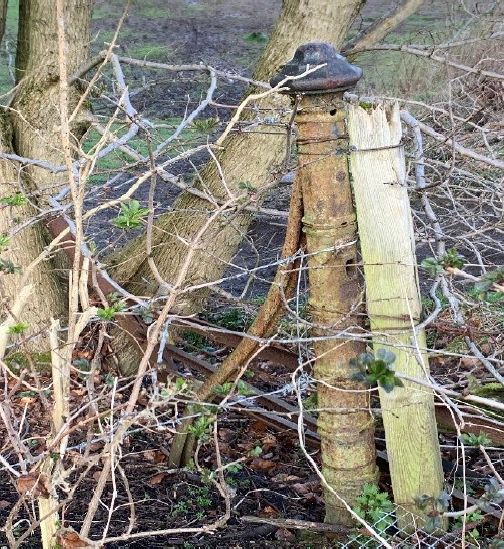
Coming back to the left, regarding the area called Parkhall Quarry, I got a call recently from Joel Martin to tell me that he had made a bit of a discovery or connection to our past by noticing this sad old gate half buried into the path through the field path that takes you up to Fordell (pictures 5 and 6 below)
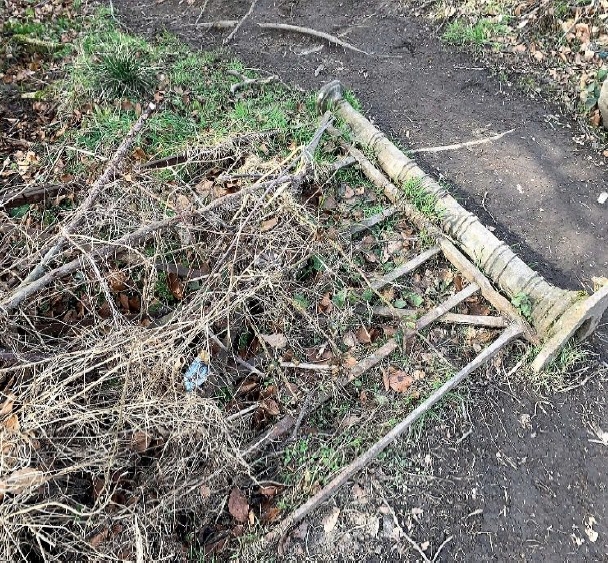
Picture 5: Lost gate credit Dalgety Heritage Trail
Pic 6: Lost gate fixing pole Dalgety Heritage Trail
The significance of this gate, other than it is well over 100 years’ old, is that it was shown in a picture taken by Inglis’s in 1946 for their book ‘The Fordell Railway’ (pic 7) which is looking back towards the bridge and in Pic 8 we have tried to replicate picture today
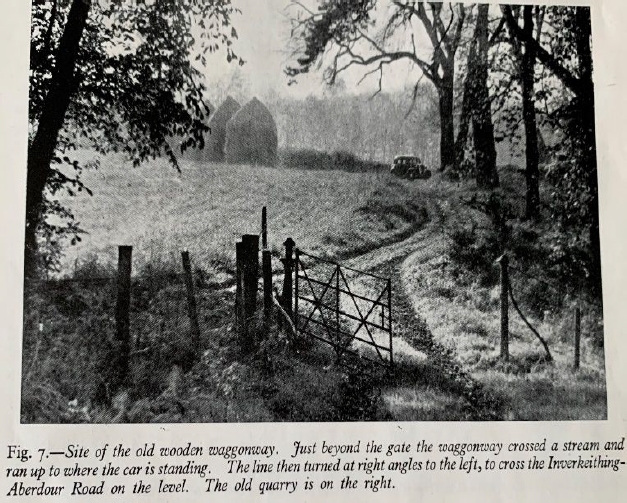
Picture 7: Credit ‘The Fordell Railway
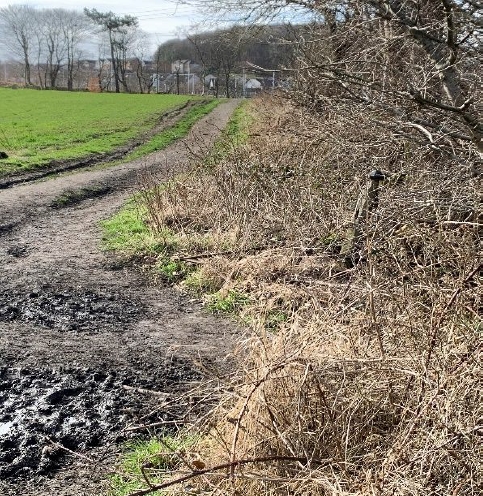
Picture 8: credit Dalgety Heritage Trail
(Any article on the Fordell Railway has to acknowledge two books which have been written about the waggonway. ‘The Fordell Railway’ by J.C Inglis & F. Inglis in 1946 and one missing from my personal library the ‘Early Railways of West Fife’ by A W Brotchie & Harry Jacks printed in 2007, sadly both books are now out of print).
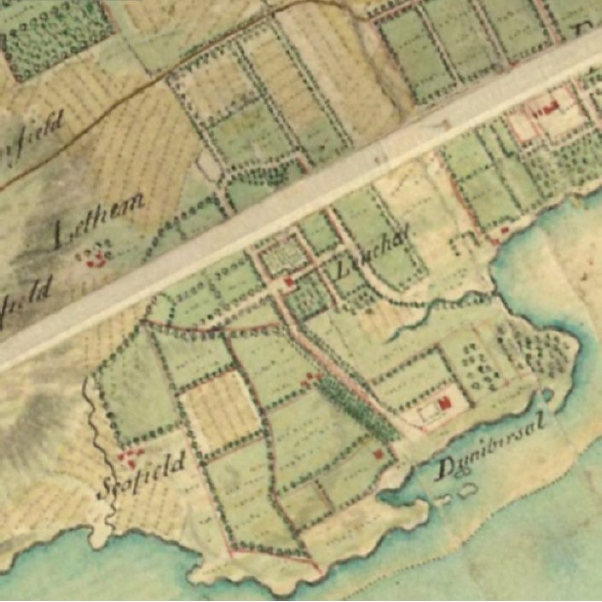
Picture 1: Extract from Roy Military Survey Map of Scotland (1747-1755), National Library of Scotland
JAMES SPITTAL OF LEUCHAT
Contributor: Jonathan Ellington
The Spittals of Leuchat were major landowners in Dalgety for hundreds of years. Whilst less remembered today than the Hendersons, the Earls of Moray and of Dunfermline, this family were by no means minor heritors. The Estate of Leuchat centred on the mid west of the modern Dalgety Bay (Pic 1) and once also incorporated St David’s, Letham Hill, Seafield and parts of Fordell, making it, for a while, the second largest estate in the parish.
The Spittals also held estates at Blair Logie near Stirling, (incorporating the majestic Dumyat Hill and the, still standing though much altered, baronial home of Blairlogie Castle, shown in Pic 2), Leuchatsbeath and Knocksudderon in what is now the modern Cowdenbeath area and Trewin in Strathearn.
The last major figure in the Spittal family was the remarkable James Spittal, whose home was at Leuchat, and he died there in 1760, just a few years before its sale to the Earl of Moray. This article, as an introduction to the family, will focus on him alone but we will return to the wider family soon.
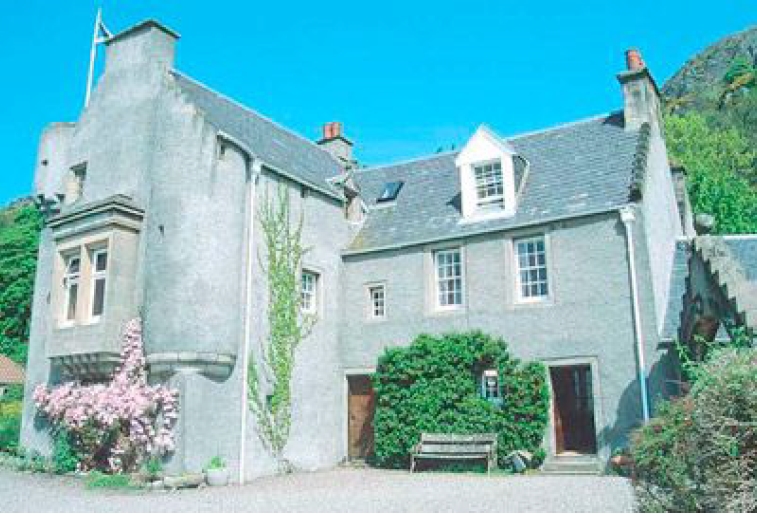
Pic 2: Blairlogie Castle
Some sources say James Spittal was 96 years old at his death, others say a couple of years younger. This longevity alone was an achievement in his time but the abridged extracts below from “Scotland and Scotsmen in the 18th Century” by John Ramsay, paints a colourful picture of a charismatic and important man:
He was born in the year 1663 or 1664, though by the parish register he appeared to be two or three years younger. It was vitiated to save him being fined for attending a conventicler. He married early, but his wife died in a short time, leaving one son. The widower fell deeply in love with her sister, but no Protestant Church would allow them to marry. It was therefore concerted that Leuchat should go to Rome, and obtain a
dispensation to marry his mistress.
Soon after this gentleman’s arrival in Rome, his sister-in-law fell into a consumption and died, which was very afflictive to him.
In order to get the better of his grief, and the blasting of his fondest hopes, Leuchat spent a number of years travelling through Italy, France and Germany. Being a scholar and accomplished man, he kept the best company wherever he went, to whom he was very acceptable, on account of the sweetness and simplicity of his manners, and the courtesy of his disposition.
At length, being tired of roaming abroad, and being importuned by his friends, he returned to his own country, where he met with a very gracious reception, being regarded as a man of fashion, who had studied books and men to excellent purpose. He was elected member for the burgh of Inverkeithing, which lay hard by his house of Leuchat in 1696; and used to give precious anecdotes of the people who made a figure in the tempestuous debates which took place while the Union was under agitation. He was all along a Whig and a Presbyterian, though he once meant to have solicited favours from the Roman Pontiff. From that period he lived mostly at Leuchat, though he frequently made excursions to Edinburgh, where he was highly esteemed in the fashionable and literary circles. He outlived the whole members of the Union Parliament. (Note: see Pic 3, his name is ringed).
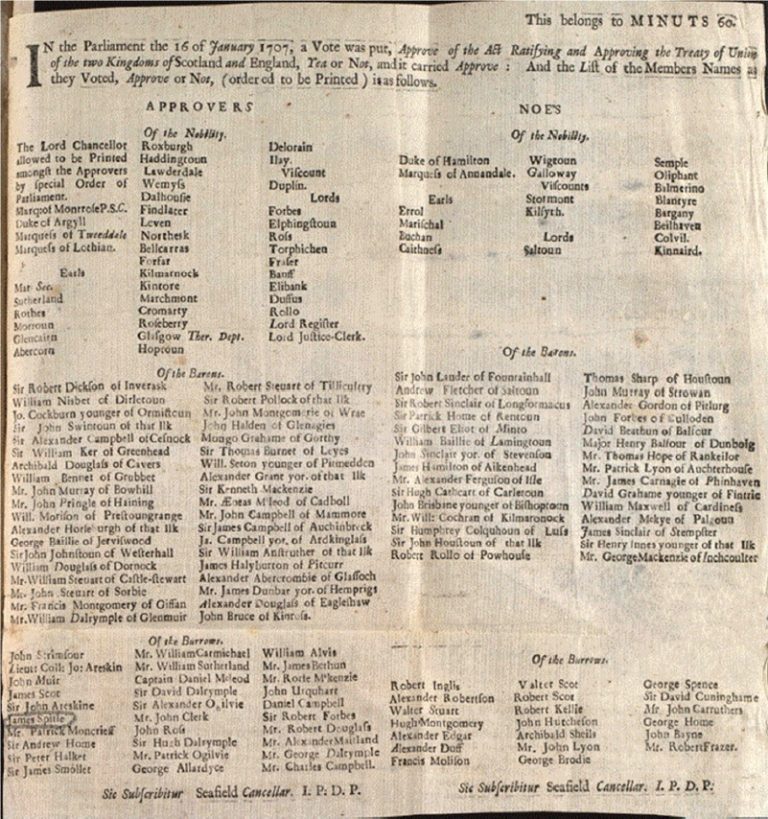
Pic 3
Beside Leuchat, hard by Donnybristle, he had the estate of Blair Logie, which had long been in his family. He told somebody who asked him why he did not sometimes live at Blair, that he cared not to “shavel his shoon” ie to set his shoes awry on the declivity. While in Rome he chanced to be in company with persons of different nations, when the conversation turned upon striking prospects from mountains or hills. Each of those spoke of his own country. At last an old Scottish priest said the most picturesque, if not the most extensive, prospect he knew was from Topmiat (now known as Dumyat), a hill within three miles of Stirling. After hearing his description, the company assented to his opinion. Though Leuchat was proprietor of it, he had never been there before on his travels. He wisely kept his own secret, but one of the first things he did on his return home was to go to the top of Topmiat.
Perceiving his son more fond than he wished of a female cousin, he bought a cornetcy of dragoons for him, thinking that the best way to break off the connection, which he imputed to idleness, ignorance and rawness. But a private marriage having taken place, the young woman claimed her husband, and declared herself pregnant. “Madam,” said Leuchat, “what shall I make of the cornetcy I have bought?” “Take it yourself, for you are much fitter for the army than him.” The son died a young man, after his wife had brought him several children. The father and daughter-in-law lived together very cordially and comfortably for near fifty years, she being at great pains to make him happy, by accommodating herself to his ways. He was all along a very popular man in town and country, there being something fascinating in his conversation, which was unaffected and simple, full of nice matter. He often dined at the Earl of Moray’s house, which was within a bowshot of his own, and remarkable for mirth and primeval hospitality. He made it a rule to go home to his own bed, but as soon as he came in he cried “Margaret, get the kettle.” He had for many years a small sneaker of brandy-punch before retiring to his bedroom.
He said one day to his friend, George Abercromby, of Tullibody; “George, the best of an old man’s pleasures is the crack.” Though no man understood the art of conversation better, he seldom shone in mixed company, and when leading questions were put, he commonly said nothing; but in small or select parties nothing could be more select than his social hour. Lord Edmonstoune, a very competent judge, used to say that, were he a very great or opulent man, he would give Leuchat a handsome pension to live with him, his company being great luxury.
In 1756 or 1757 I spent a day with him at Tullibody. He sat till three in the morning, talking over his travels, and of people who had made a great figure at home and abroad. I admired the shrewdness and naiveté of the remarks of a man past ninety, whose faculties were entire. In the morning he said to me, “O man, is it not hard for one that has not a tooth in his head to be plagued with the toothache?”. He was a man of middling size, of spare habit, and thin face. I considered him an excellent example of the Scottish gentry at the Union. He spoke the most elegant Scots I ever heard. I was assured by a friend who visited him a year or so before his death, that he found him walking about his farm as straight as a stick, giving directions to his servants. He was at last gathered like a stalk of ripe corn in its season. His last illness was short and gentle.
Now, whilst all the above paints a picture of a charismatic and likeable man, it must be appreciated that James Spittal, like all of the landed gentry, was in a position to develop his education, interests and personality, whilst their servants in the fields and baronial homes led difficult, and often short, lives. Also, one opinion contrary to the above evidence as to James Spittal’s character was offered by a Mrs Scott in Hanover to her sister Mrs Maxwell, later of the Caldwell family, in a letter of 1707 regarding “…a dinner to Sr. Jo. Inglis and Leuchat (they lodged in our house); which I half repent, because I think them little sensible of our civility. I know not what honour they will do this court, for I never heard them speak as persons ought….” Perhaps she disliked his use of pure Scots language. James also suffered failure in the 1710 elections to the, now united, parliament in London, where he was heavily defeated whilst representing the “Squadrone Volante”, a unionist leaning, though somewhat fickle, faction by Sir Alexander Areskine(Erskine).
The Spittals themselves as a family also appeared to have had the same attitudes as other land owning families, eg in years prior to James, in the National Records of Scotland, there is evidence of them raising “Precepts of removing” ie, expelling people from their homes, in parts of Fordell and Letham.
So, it may well be that James was a charismatic, educated and intelligent man, but definitely one of his times.
References :
Scotland and Scotsmen in the eighteenth Century Volume 2 – John Ramsay, 1888
Logie: A Parish History Vol II – Robert Menzies Fergusson, 1905
Selections from the family papers preserved at Caldwell – William Mure of Caldwell, 1854.
National Records of Scotland – various family papers.
WWW.Historyofparliamentonline.org/Fifeshire
THE DALGETY ESTATE
PART 1 – EARLIEST TIMES TO THE TURN OF THE 17th CENTURY
Contributor: Jonathan Ellington
“Dalgathin” is first referenced in a papal bull of Pope Alexander III in the 12th c. as being a possession of Inchcolm Abbey, the “teinds” or tithes of the lands being used to support the clergy, headed by the Bishops of Dunkeld.
The Dalgety estate was granted between 1464 to 1482 by James III to his Cousin, William Abernethie, the 2nd Lord Saltoun (see note 1).The second Lord is believed to have been killed at the battle of Sauchieburn in 1488. The Abernethie family are thought to have first settled in Abernethy, Perthshire and they held the title Lord Saltoun until 1669 – confusingly, the title Lord Abernethy was held by a totally different family.
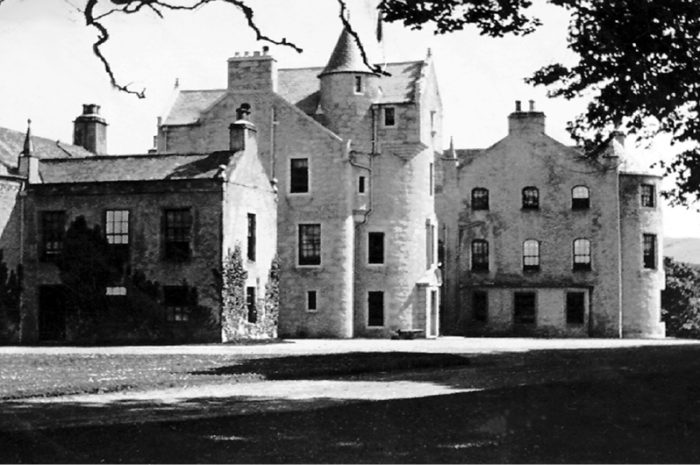
Pic 1: Rothiemay Castle
Other, larger, Abernethie estates included Saltoun in East Lothian and Rothiemay, near Huntly (Rothiemay Castle, prior to demolition: Pic1) ). The Dalgety estate itself was generally on the East of what is now Dalgety Bay, further estates within the parish being Fordell, Donibristle and Leuchat. The exact boundaries of these estates in earlier times cannot now be established, but they certainly varied considerably as land deals were agreed between the various Lairds and Lords.
Of the 2 William Abernethie tombstones (dated 1540 and 1612) in St Bridgets, mentioned, with photos, in Robin Arnott’s post here of 19th August, neither are those of a Lord Saltoun, as in the latter, the name is not that of the Lord of that time, and for the former, the coat of arms has been quartered, signifying a cadet (ie a son younger than the heir) of the family (1st and 4th quarter) and his wife of the Moultrie (or Mouttrie) family of Seafield , near Kinghorn, who also held estates in Markinch and Roscobie (2nd and 4th quarter). The Arms are described by Robin Arnott, referencing “Ancient Monuments” as: ” 1st and 4th quarter, a lion rampant debruised by a ribbon, for Abernethy; 2nd and 3rd, on a chevron between three escallops, a boar’s head erased between two mullets, for Moultrie of Seafield”. The remains of Seafield Tower, the ancestral home of the Moultries are shown in Pic 2).
It is quite possible that, if, as is likely, the daughter of the Moultrie household lived on the Dalgety estate with William Abernethie after her marriage, and, indeed, after William’s death, then she might have been grateful to be removed from Seafield as, in the years before and after William’s death, the Moultrie family was involved in a protracted period of animosity, which resulted in legal rancour, violence and death, with their neighbours, the Kirkcaldys of Grange and the Earl of Rothes. It is thought that these disputes may have been been based on religious differences and land rights.
Another example that highlights the potential for legal rancour over land rights in these times, comes from a 1588 document, a: “Bond by William Abirnethy, son and apparent heir of deceased William Abirnethy of Dagatie to John Boswall, son to deceased David Boswall of Balmuto and Elizabeth Cokburne, his spouse, and John Boswall their son, that he will make no claim to the lands of Balglele Wester (Wester Boglily) in barony of Glasmonth and sheriffdom of Fife, for the space of 19 years following the redemption of said lands.”
Boglily farm is now the home of the well known “Buffalo Farm”, just off the B925. The reason for any potential claim by William Abernethie is not known. The mention of a ”deceased William Abirnethy” in 1588, together with the two St Bridgets’ burials in 1540 and 1612 suggest that there were three consecutive generations of “William Abernethies” living on the Dalgety estate .
Whilst there is proof of the Lords of Saltoun’s ownership of the estate, I can find no evidence to place any relevant Lord of Saltoun in Dalgety at any particular time of the family ownership. This might just point to the estate being managed for the Lords by the more junior cadet lineage represented by the “three Williams”, with only occasional visits by the Lord. Further possible evidence for this is in the rarity of the Lords Saltoun attending jury service in the Sherrif Court of Fife in the early 16th c. They probably had legitimate exemptions relating to work in their larger estates outwith Fife, or, willingly paid the requisite fine for non-exempt absence.
The 4th Lord, Alexander Abernethy (d 1527) fought on the losing Scottish side at the Battle of Flodden (1513). He survived, however, unlike many of his fellow peers and landed gentry of the time.
The 8th Lord, John Abernethy (1578 – 1612) married Elizabeth, a daughter of Donibristle’s famous murder victim, the “Bonnie Earl of Moray”, James Stewart, in 1605, just after he had finally signed over the Estate of Dalgety back to the King in 1604 (see note 1). Lord Saltoun had fallen upon “embarrassed circumstances”, supposedly because of excess expenditure whilst visiting England with the King. Alexander Seton, The First Earl of Dunfermline, Lord Chancellor of Scotland (1555-1622) had taken over the estate firstly in 1593, from “William Abernethie, son and heir of the late William Abernethie of Dalgety” and acquired the feudal titles as well just after Lord Saltoun’s resignation of them.
It is interesting that the second “William Abernethie” burial was under Seton’s ownership of the estate so it may have been that the cadet Abernethies remained to manage the estate on behalf of Seton for a while, especially, as we shall see later, as Dalgety was Seton’s “country retreat” and, whilst he is considered to have favoured Dalgety most amongst his estates and properties, he was very often travelling on business or managing larger estates under his ownership. There could have thus been members of two powerful families present on the Dalgety estate at various times.
Much is known of Alexander Seton(Pic 3), and there is a strong argument that he was, and still is to this day, the most powerful man ever to have lived in the Parish of Dalgety. He was a judge, politician, lawyer and confidante and advisor to King James VI (and 1st of England) and his wife Anne of Denmark, even tutoring and caring for their son, partly at Dunfermline Palace. At the height of his power he was considered the second most influential man in Scotland after the King. It is worth noting that he himself was a cadet (of George, the 7th Lord Seton), so his rise to such prominence was largely down to his own intelligence, education, personality and force of character.
Dalgety was said to have been “Repaired and beautified with gardens” by Seton, who also “extended and ornamented it”. This might indicate that Dalgety House was actually in existence, in some form, during the time of the Abernethie’s ownership. As stated in previous articles on this page, the House was situated somewhere in the proximity of the modern Dalgety Gardens.
We shall discuss Alexander Seton and his effect on Dalgety, together with Dalgety House, in more detail in Part 2 of this series.
Note: I possess digitised copies of two of these manuscripts but have been unable to gain copyright approval to include them here, as yet. Should I receive such approval, I will post them at a later date.
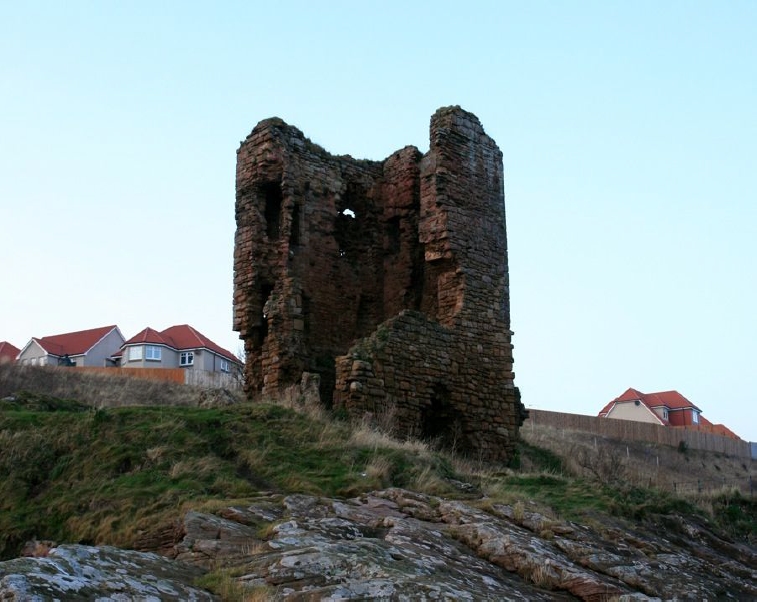
Pic 2: Remains of Seafield Tower

Pic 3: Alexander Seton
PHOTO ACKNOWLEDGEMENTS:
Thanks to Andy Sweet of www.stravaiging.com for permission to use the photo of Seafield Tower
Picture of Alexander Seton, Courtesy of the Royal Collection Trust
REFERENCES :
The House of Seton, Volume 1, by Sir Bruce Gordon Seton (1939) / National Library of Scotland
The Moultries by Rev Gerard Moultrie & Peter Gourdin, The South Carolina Historical Magazine (Oct 1904) / JSTOR.org
The Gravestones of St. Bridget’s Kirk Dalgety, by Robin G.K. Arnott (1989)
Dalgety Bay Heritage and Hidden History by Eric Simpson (1999)
National Records of Scotland / Boswell of Balmuto family papers
The Sheriff Court Book of Fife 1515-1522 by William Croft Dickinson (1928) / National Library of Scotland
Memoir of Alexander Seton, Earl of Dunfermline, President of the Court of Session, and Chancellor of
Scotland, by George Seton (1882) / National Library of Scotland
OTTERSTON HOUSE
Contributor – Heritage Trail Brian
Photo credits: Mr Lyon, HES, Andrew Young, BNA, Arthur and Elizabeth Lloyd

Pic 1: Line drawing of Otterston by Mr Lyon
Pic 2: Credit HES
According to ‘Fife Place Names’ the Otterston name comes from a Scandinavian personal name of Otter, Ottar or Other, the ending of ‘ton’ is scots for town or steading.
Otterston has had many variations of spellings overtime like Oterston, Ottirston, Otterstoune, as well as a description of ‘the land of Nether Cockairnie which Other held’ in the Inchcolm Charters of 1199.
We can take the ownership of the lands as far back as the 1100’s with a number of mentions in the ‘Charters of the Abbey of Inchcolm. The lands, and subsequently the houses of Otterston and Cockairnie, have been owned as one entity at times over the centuries but not always.
They have been in the hands of the Canons of Inchcolm, Robert of London, Browns, Wardlaw, Leslie, Inglis, Hendersons and Moubray’s and others in-between.
The Wardlaws connection is a key stage in the ownership lineage, they are an historic Scottish family. John C Gibson wrote a book in 1912 called ‘The Wardlaws in Scotland (A history of the Wardlaws of Wilton and Torrie and their Cadets)’. The book works its way through the Wardlaw family tree from the 13th century and has a few family highlights, including a Cardinal (Walter Wardlaw d.1387) and Henry Wardlaw who was the Bishop of St Andrews. Henry, for a while, was entrusted with the education of King James the 1st, however his legacy highlight is the founding of St Andrews University.
The Wardlaw that we are interested in is Andrew Wardlaw, who married Isobel Brown of Otterston, who was the heiress of William Brown of Cowston (Couston) and Otterston in 1514, it is believed that they lived in Couston Castle.
The Browns had been the owners of the Otterston lands from early times granted by King Robert II who reigned in the
late 1300’s.
There is a charter under the Great Seal, dated 3rd of April 1514:
“To Andrew Wardlaw and Isobel Brown, his affianced spouse, of the lands of Otterston, which the said Isobel in sua pura viduitate resignavit (In his pure widowhood)”
As time passed on, with many legal disputes, and after their passing their heir was their oldest daughter Elizabeth Wardlaw, who was married to Walter Leslie of Cockairnie. There was a bit of buying and selling between Elizabeth and her sisters until we can find a further charter on the 14th of June 1542 from King James V:
“Of four parts and four fifths of a six part of the lands of Otterston which the said Elizabeth, Helen Wardlaw, Elizabeth Wardlaw and Janet Wardlaw, four of the six daughters and heirs of the late Isobel Brown and Andrew Wardlaw, her spouse, with consent of the said Walter Leslie and William Abercromby spouse of said Janet, had resigned”
Eventually the entire lands of Otterston became the property of the Leslie’s of Cockairnie and this settled into a more organised or recognised ownership as slightly further down their family tree in 1600 a Marie Leslie married James Moubray of Cockairnie.
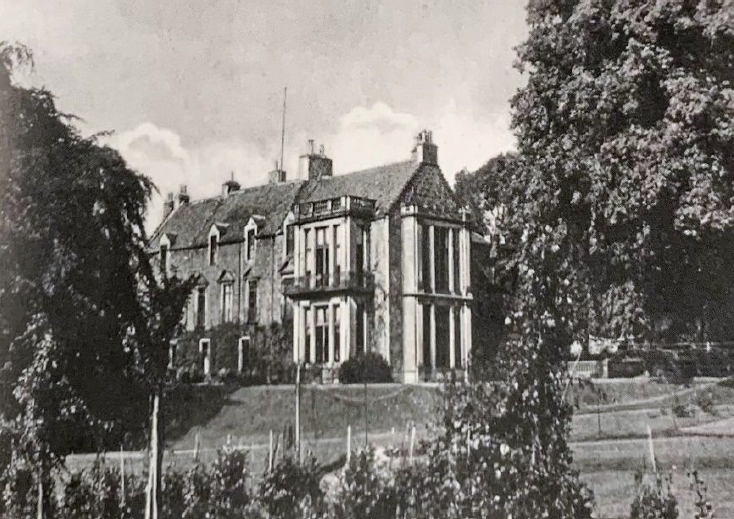
Otterston House was built in the mid to late 16th century, originally a fortified building, overlooking the attractive Otterston Loch. Pictures of the house have been very elusive but I persevered and discovered a book called ‘The Castellated and Domestic Architecture of Scotland from the 12th to 18th century’ by David MacGibbon and Thomas Ross, volume 5… I am sure many of you have a copy!
It contained a line drawing submitted in 1850 by a Mr Lyon (Pic 1), prior to its many alterations towards becoming more recognisable as a Scottish mansion (Pic 2)
The desire to increase the accommodation meant the building lost its ancient castle appearance. They pulled down portions of the fortified house and built a large extension to its east end.
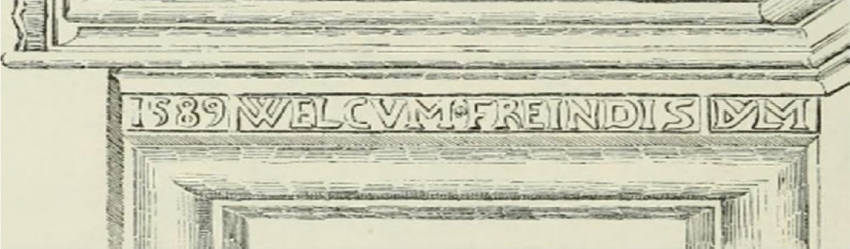
They removed the round arched entrance gateway and the two turrets on the high building were concealed and contained within the construction. The whole ground floor was vaulted, and the main stair was in the tower. Externally nothing remained to show its older style except the round tower attached to the low buildings, with the dormer window beside it and the entrance doorway, which survived. On its lintel is the inscription ‘1589 WELCVM FREINDIS’ (Pic 3) which is now situated in Cockairnie House. The initials are from David Leslie and his wife Margaret Muschert or Muschet. David was the eldest son of Elizabeth and Walter. The Henderson’s had it as part of their portfolio, for a while before selling it back to the Moubrays’ circa 1800.
Pic 3: Otterston House Lintel
Pic 4: Credit St Andrew’s University
Trees
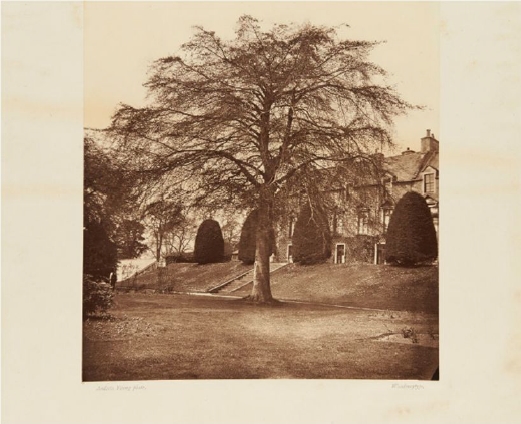
Both Cockairnie and Otterston Houses had fantastic specimen trees. Picture 4 shows a purple beech taken in 1876 by Andrew Young as part of a collection for St Andrews University named ‘The trees and shrubs of Fife & Kinross’ with Otterston House in the background. There was another of a Spanish Chestnut in front of Cockairnie House.
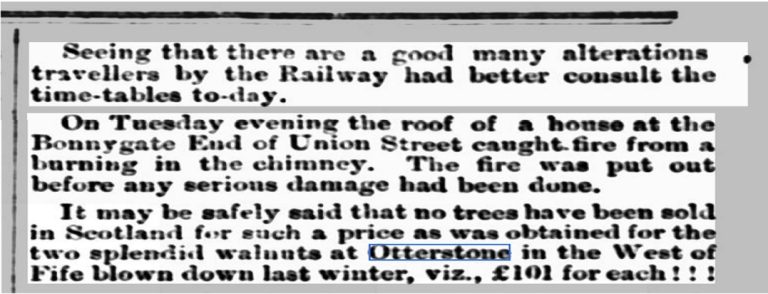
However, it would appear that the Moubrays’ had a claim to fame as having the highest price obtained for two fallen trees in Scotland. Back in January 1882 there was a significant storm in Scotland that led to flooding and a high loss of trees. It was reported in the ‘Fifeshire Advertiser’ that Otterston lost two large specimen walnut trees, believed to be over 300 yrs old, one of them had a girth of over 15ft, the smaller one at nearly 12ft.
On the 1st of June 1882 the same paper reported that he received £101 for each tree (see pic 5). If you use the Bank of England inflation calculator £202 is today the equivalent of £24,850.
Pic 5: Newspaper article credit BNA
Demolition
Estate houses heyday was certainly over before the first world war, never mind the second world war. The costs to maintain the building, grounds and the cost of staffing versus the revenue returns just made them non-viable. The Moubray’s retreated back to Cockairnie House.
We can see that the demolition was underway in 1944, see the article from the ‘Fife Free Press, Saturday, June 10th 1944 (Pic 6). The tradesman who completed the work was George Lyon and sadly the gate (Pic 7) had to be replaced relatively recently but the balustrade (Pic 8) is still in-situ as photographed in 1997 by Arthur Lloyd

Pic 6: Fife Free Press via BNA
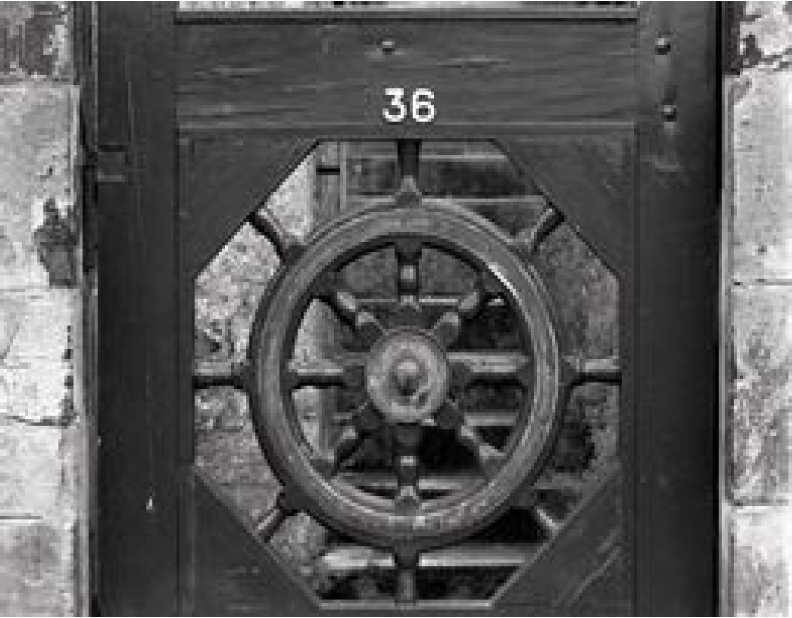
Pic 7: Credit Arthur & Elizabeth Lloyd
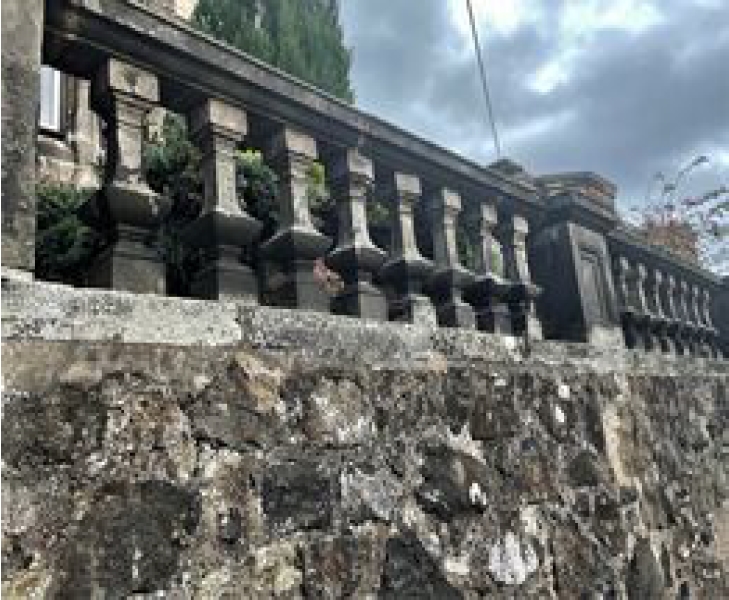
Pic 8: Credit Arthur & Elizabeth Lloyd
Eric Simpson in his book ‘Dalgety Bay Heritage and Hidden History’ (1999), wrote about a chance visit by T.G Snoddy when the demolition of Otterston was underway, he was the author of ‘Afoot in Fife’ (published in 1950) :
‘It was then unroofed, with broken walls, its gateway gone, its ancient turret almost gone, its crow-stepped tall gables diminished, and its green surrounding lawn, still fair and trim, loaded with masonry, with ribats, mullions, cap-stones, skews sills and lintels. The fact was I had chanced on this ancient edifice when it was being demolished when centuries of thinking and planning on the part of successive owners was being rapidly and effectively removed from sight and memory’
It is a real shame that we lost Otterston house just after WW2. I can see it today sitting quite comfortably, with views over Otterston Loch, as a really nice hotel, perhaps a wedding venue. Sadly, it joined the rest of our lost parish estate homes, as a distant and fading memory of times gone by.